Good advocacy does not have to be loud. In fact, some of the most important advocacy work happens before most folks are even aware of a potential problem. But the secret to effective advocacy is that sometimes the messenger is as vital as the message.
 What does advocacy actually accomplish for Pennsylvania CPAs? And why should you care about what happens in Harrisburg?
Those are questions the PICPA hopes members will explore at its first-ever Advocacy Day on Sept. 16 at the Hilton Harrisburg. The event is designed to give CPAs an up-close look at how advocacy works, what issues are affecting the profession, and how members shape the policies that affect their practices and clients.
Most CPAs don't wake up in the morning thinking about what is happening in Harrisburg. You're thinking about your clients, your deadlines, your staff, and the work in front of you. But while you're doing that work, decisions are being made that will affect how you practice, how your clients do business, and what the future of the profession looks like.
That is where advocacy comes in.
Good advocacy does not have to be loud. In fact, some of the most important advocacy work happens before a bill becomes law, before a regulation takes effect, or before a problem ever reaches your desk. It means identifying an issue early, understanding how a proposal could affect CPAs and their clients, and making sure policymakers hear from people who understand the practical consequences.
That up-front and sincere work can produce good results of which many CPAs aren’t even aware.
 Consider what happened with Pennsylvania’s CPA Law. On June 30, 2025, Gov. Josh Shapiro signed Act 27 of 2025 (formerly Senate Bill 719) into law, which passed the Pennsylvania Senate and House unanimously. The law created a new, more flexible pathway to CPA licensure that allows candidates to qualify with a bachelor's degree, two years of verified experience under a Pennsylvania-licensed CPA, and passage of the CPA Exam. It also strengthened license mobility provisions, making it easier for qualified CPAs from other states to practice in Pennsylvania. That change did not happen overnight. It was the result of years of sustained advocacy, stakeholder engagement, and involvement from CPAs across Pennsylvania.
Consider, too, what didn't happen this summer. During this year's budget process, lawmakers considered a Pennsylvania False Claims (House Bill 1697) proposal, which would have let private individuals sue on behalf of the Commonwealth and collect a financial reward for doing so. Unlike similar laws at the federal level and in other states, the Pennsylvania version could have extended to state and local tax matters, exposing CPAs to significant new legal liability. The PICPA raised those concerns with lawmakers throughout the spring and summer, and when Shapiro signed the 2026-2027 fiscal year budget in July, House Bill 1697 was not part of it. Proposals like this rarely disappear so quickly, so this threat is likely to resurface in a future session. But for now, it's an advocacy victory that stopped a problem before it ever reached a CPA's desk.
Advocacy success can sometimes mean improving a proposed regulation or piece of legislation before it moves forward. Sometimes it means raising red flags on proposals that would create unnecessary costs or burdens. Sometimes it means getting a regulator to reconsider how a rule will work in practice. And sometimes it means simply making sure policymakers fully understand an issue and its implications before they make a decision.
When it comes to advocacy, sometimes the messenger is as vital as the message.
CPAs bring a unique perspective to public policy discussions. The profession works with businesses, but also nonprofits, governments, and individuals. CPAs understand financial statements, tax policy, regulatory requirements, and the real-world consequences of changes to the law. When policymakers are considering complicated financial or regulatory issues, that expertise matters.
But expertise only has an impact when it is included as part of the conversation.
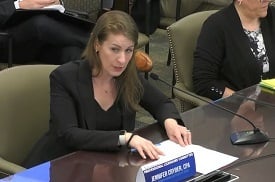 PICPA's role is to make sure the CPA perspective is heard – in Harrisburg, across Pennsylvania, and at the national level. We meet with legislators and their staff and regulatory agencies; provide testimony and technical expertise; monitor legislation, regulations, and emerging issues; and mobilize members when their voices are needed.
Advocacy is not limited to legislation. As alluded to above, the PICPA is also deeply involved in regulatory advocacy, regularly seeking feedback from members and sharing their perspective with the Pennsylvania Department of Revenue, the State Board of Accountancy, and other rule-making bodies. By bringing the real-world experiences of CPAs and their clients to the table, the PICPA works to ensure that new regulations or regulatory changes are practical, informed, and responsive to the profession.
The decisions shaping the CPA profession are not made solely in Harrisburg. The PICPA also works beyond our state’s borders to ensure that the perspectives and experiences of Pennsylvania CPAs are represented in national discussions. That includes monitoring and engaging on accounting standards, proposed pronouncements, regulatory developments, and other issues that affect the profession across the country. By engaging in these conversations and bringing the perspective of Pennsylvania CPAs to the table, the PICPA helps members understand what is being proposed and works to ensure that national developments reflect the practical realities of the profession.
Beyond simply reacting to issues, the PICPA works to identify what is coming next for the profession. Through research, analysis, member surveys, and resources on timely topics, we want CPAs to have a clear understanding of what will shape the profession in the years ahead. By identifying trends early, bringing those issues into the conversation, and incorporating the perspectives of CPAs into our policy work, the PICPA helps the profession prepare. This work strengthens PICPA’s ability to advocate effectively and helps ensure that the profession's voice is informed, forward-looking, and grounded in the realities facing CPAs and their clients.
Advocacy is not a solo act. The strongest advocacy comes when as many members as possible understand the issues and are willing to engage. A message from one CPA could make a difference, but the collective voice of Pennsylvania’s accounting professionals makes an even bigger one.
PICPA’s Advocacy Day is an opportunity to understand the process behind the advocacy work you may only see the results of. You'll hear how PICPA approaches legislative and regulatory issues, learn what is on the horizon for the profession, and gain a better understanding of the political environment in which those decisions are being made. You'll also have the opportunity to connect with fellow CPAs who care about the future of the profession.
There is no cost for PICPA members. Attendees will earn three hours of CPE, hear from experts working on the issues affecting CPAs, get an inside look at Pennsylvania's 2026 elections and their potential impact, and learn how the CPA-PAC helps build relationships with policymakers. There is also the option to take a guided tour of the Pennsylvania State Capitol following the program.
Advocacy is not just about reacting to the next bill that gets introduced. It is about being at the table early enough to help shape what comes next.
The future of the CPA profession will be influenced by decisions being made today. The PICPA will continue to do its part, but we need our members to do their part too.
Join us Sept. 16 at the Hilton Harrisburg for PICPA Advocacy Day and see advocacy in action.
Sign up for PICPA's weekly professional and technical updates by completing this form.